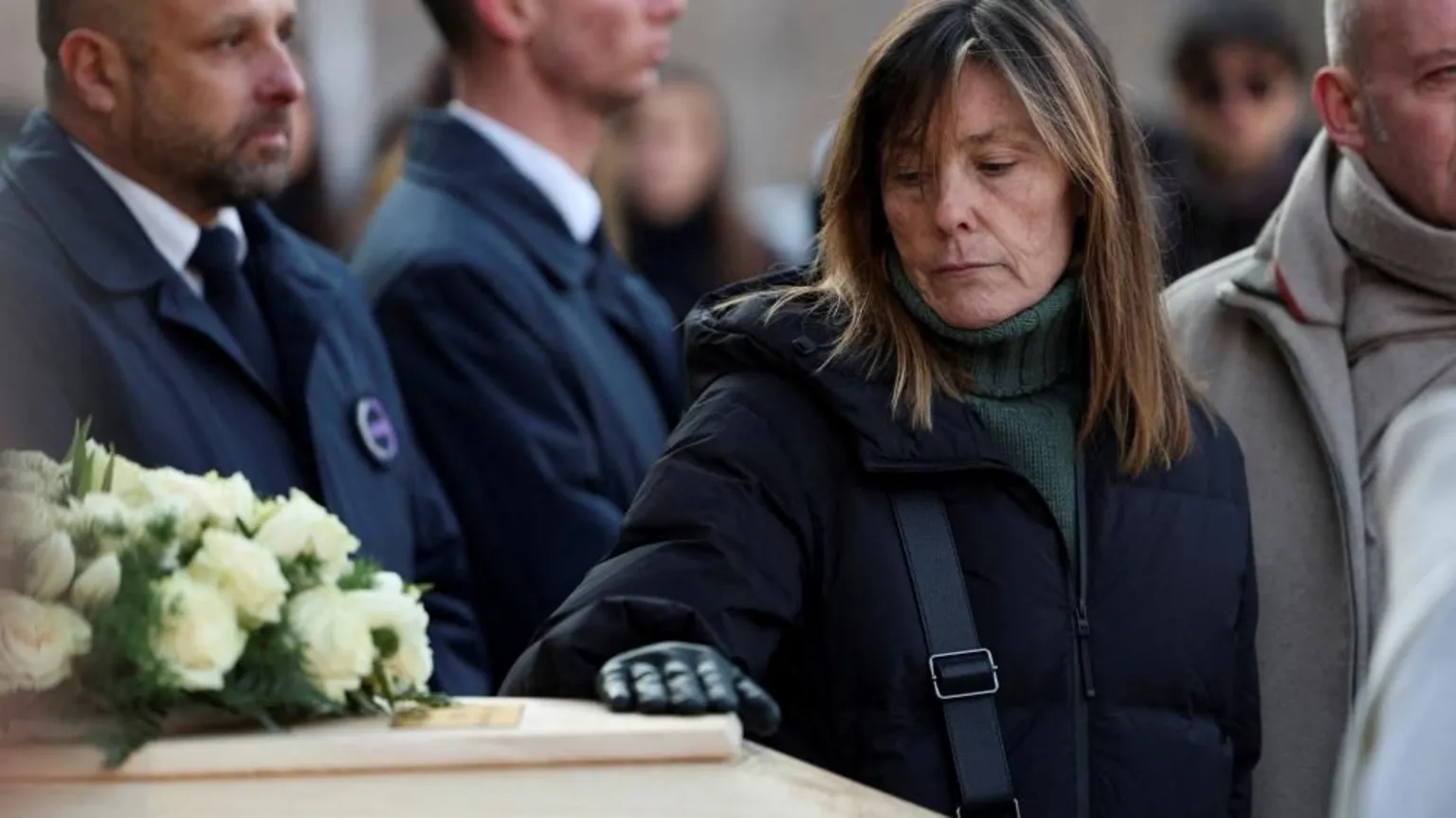
As Switzerland ushered in the New Year, celebrations in the alpine resort of Crans-Montana turned into one of the country’s deadliest civilian disasters in decades, exposing failures that have shaken public trust in local government.
A fire tore through the Le Constellation bar on New Year’s Eve, killing 40 young people and injuring at least 116 others, many with severe burns and long-term trauma. What followed was not only national mourning, but an escalating wave of anger as details emerged about lapses in basic fire-safety oversight.
The outrage intensified this week after Crans-Montana Mayor Nicolas Feraud disclosed that the bar had not undergone a fire-safety inspection since 2019, despite regulations requiring annual checks. Even more alarming, he admitted he only learned of the lapse after the tragedy had already occurred.
According to Feraud, just 40 of the town’s 128 bars and restaurants had been inspected in 2025. He offered no clear explanation, suggesting instead that the resort lacked enough inspectors to cover all premises — a claim that drew scepticism in a country where Crans-Montana ranks among the wealthiest tourist destinations.
That explanation was echoed by Zermatt Mayor Romy Biner, who told local media that many municipalities in the Valais canton struggle with limited resources to meet inspection demands. But for many Swiss, the argument rang hollow, particularly given the economic power and global prestige of the region’s ski resorts.
As pressure mounted, journalists confronted Mayor Feraud with uncomfortable questions: his relationship with the bar’s owners, whether he had frequented the establishment, and whether corruption could have played a role. He rejected the suggestion outright, calling it baseless.
Families of victims have been less restrained. The mother of two brothers who survived the blaze publicly demanded full transparency, describing how each son initially believed the other had perished in the flames. Though alive, she said, they remain deeply traumatised, carrying scars that may never fade.
The unfolding scandal has highlighted weaknesses in Switzerland’s highly devolved political system, where local councils shoulder wide-ranging responsibilities, from public safety to education and taxation.
Many municipal officials serve part-time while maintaining separate careers, a model now being questioned in the aftermath of the fire.
Public reaction has been unforgiving. Swiss media delivered blistering verdicts following Feraud’s press conference, with calls for resignations growing louder. The mayor dismissed such demands, arguing that elected leaders should not abandon office during a crisis.
Editorials were far harsher. Tagesanzeiger described the situation as a collective institutional failure that threatens Switzerland’s international standing, while Blick branded it a total collapse of fire-safety enforcement.
For a country that prides itself on order, accountability and safety, reputational damage cuts deep. Swiss history offers reminders of how quickly public tolerance evaporates when trust is broken — from the collapse of Swissair to the taxpayer bailout of UBS, both of which triggered intense public fury and lasting political consequences.
Yet this time, the stakes are far higher. Forty lives were lost, many of them teenagers. Dozens more face permanent injuries. The scale of human loss has elevated the crisis beyond bureaucratic failure into a national reckoning.
At a memorial service on Friday, Valais President Matthias Reynard pledged a rigorous and independent investigation, vowing that political responsibility would not be ignored. Switzerland’s President Guy Parmelin echoed that message, calling for swift justice without exceptions.
The bar’s owner is currently in custody as part of a criminal inquiry, but scrutiny is increasingly turning toward local authorities. Proposals are already circulating to strip municipalities of fire-safety oversight in Valais and transfer the responsibility to cantonal officials.
Lawyer Romain Jourdan, representing several families, has announced plans to file legal action against the Crans-Montana town council, insisting that all officials involved be questioned to prevent future tragedies.
Beyond Valais, a deeper national debate is unfolding. Swiss citizens are grappling with how a system long viewed as efficient and reliable could allow such a catastrophic failure to occur.
In the immediate aftermath of the fire, there was pride in the rapid response of emergency services, with firefighters, ambulances and helicopters arriving within minutes. Many of those responders attended the memorial service, visibly emotional.
But that initial pride has faded, replaced by a stark question: what value is world-class emergency response if basic prevention measures are ignored?
Swiss authorities say answering that question is a moral obligation — not only to grieving families, but to a public now demanding accountability from every level of government.































Comments
Sign in with Google to comment, reply, and like comments.
Continue with Google